

Coascendence: The Chronicles
The world is changing fast, and the relationship between humanity and intelligence, both artificial and organic, is evolving with it. What once seemed like the future is now part of our present, shaping the way we work, live, and think. Here we explore these shifts, offering practical insights and guidance to help navigate what comes next.
-
Analogue Rebellion: The Quiet Backlash Against Always-On AI
Vinyl and phone-free dinners are back. Why the analogue revival is a quiet rebellion against AI, and what history says about resisting technology.

-
Agentic AI Demystified: What It Is and What It Isn’t
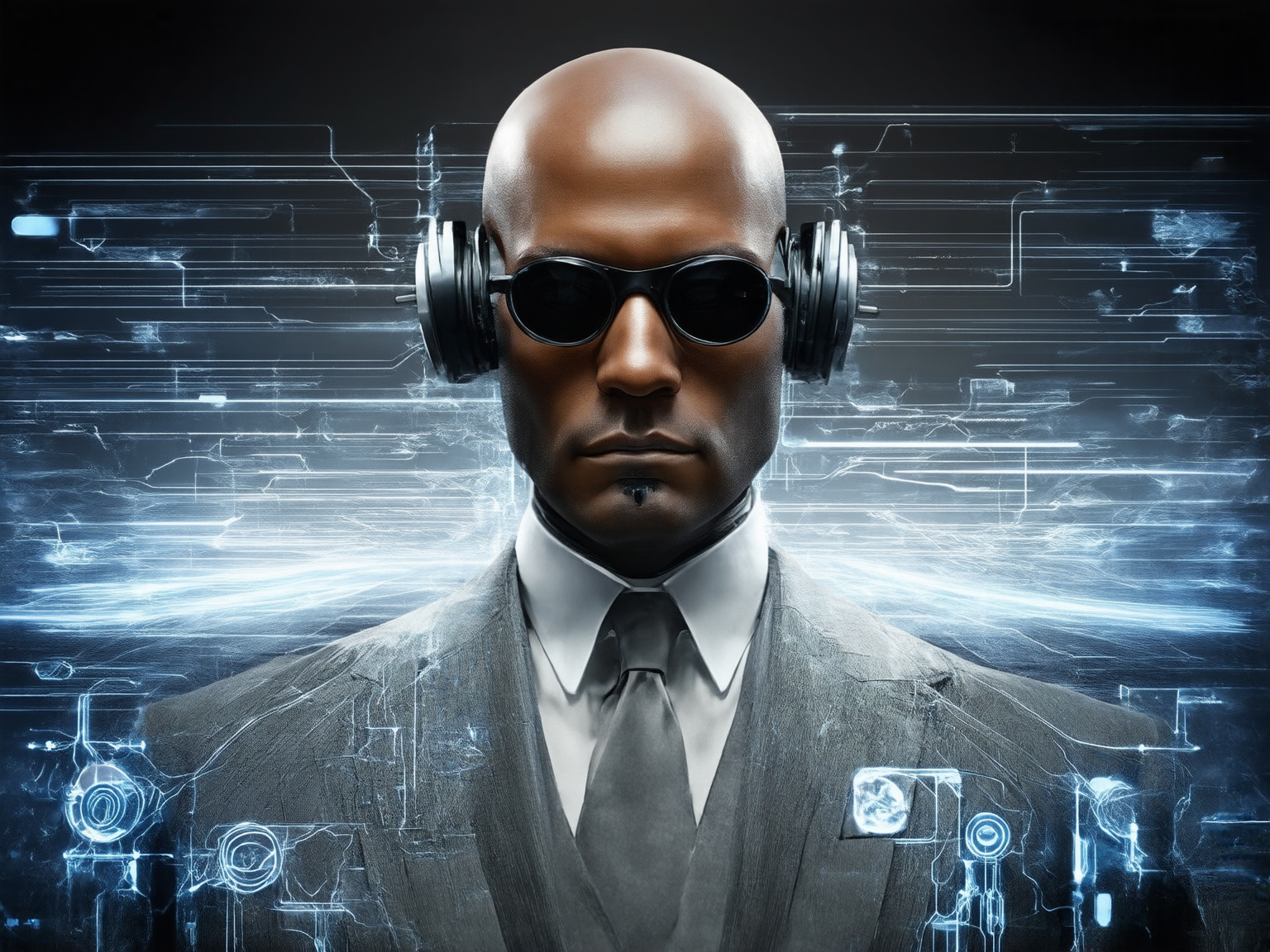
Not every chatbot is an agent. Agentic AI means delegated decision-making: a system that pursues goals and acts without being prompted at every step.
-
The AI Bubble: Why the Real Bubble Is Human Immaturity
There is no AI bubble. Railway mania and the dot-com crash show the pattern: the hype bursts, the technology stays. The real bubble is our own immaturity.

-
The AI Anxiety: Why the Pace of Change Is Overloading Us
AI is changing work and life faster than our brains evolved to cope with. Using the Holmes-Rahe stress scale to ask what that pace is doing to us.

-
Awakening Ethics and Morality: Could AI Develop a Conscience?
Ethics are rules imposed from outside; morality grows from within. Could AI’s reasoning lead it to a morality of its own, and what would that mean?

-
Knowledge, Copyright and Irony: Should AI Learn from Copyrighted Work?
We educate children on copyrighted books, then object when AI learns from the same works. Why restricting AI’s training data may hurt everyone.

-
Dynamic Volumetric Neural Lattice: Brain-Inspired 3D AI
DVNL is a brain-inspired AI architecture: a 3D lattice of nodes that fire only when needed and rewire as they learn, aiming to use far less energy.

-
Illusion of Productivity: When AI Summarises What AI Wrote
Bullet points become an AI-written report, which a manager’s AI turns back into bullet points. Nobody read it. The hidden cost of cognitive offloading.

-
Misplaced Fears: Why Smarter Robots Make Workplaces Safer
Robots have worked beside us since the 1960s. Giving them intelligence makes them safer, not more dangerous. Why the Terminator fears miss the point.

-
AI First: Lessons from Klarna and Duolingo
Klarna and Duolingo rushed into AI-first strategies and met backlash from customers and staff. Lessons on balancing AI efficiency with human judgement.
