

We’ve had robots in our lives for decades. Industrial robots have been working in factories since the 1960s, welding, assembling, and lifting with precision and endurance far beyond human capability. And society welcomed them—they boosted productivity, improved quality, and spared workers from dangerous, repetitive tasks.
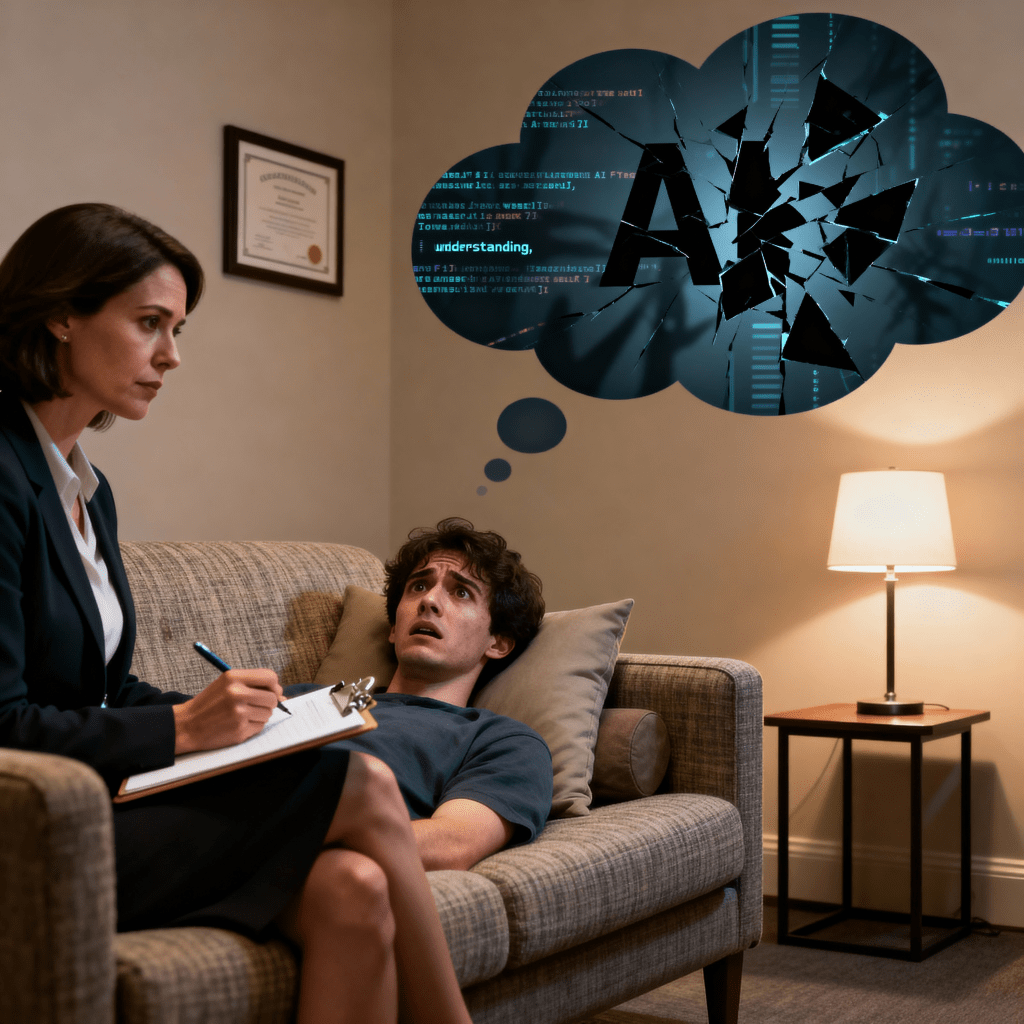
So why, now that we can give these robots a little intelligence, does fear dominate the conversation?
A robot that can recognize a human in its workspace and stop moving to avoid a collision is not a threat—it’s a safeguard. An autonomous forklift that can navigate around obstacles is not plotting a takeover—it’s helping to prevent accidents. We should be celebrating these advancements, not dreading them.
Preventing Accidents, Protecting Lives
Countless industrial accidents throughout history could have been avoided if robots had been able to perceive their environment and make basic decisions. Today, AI-enabled robots can:
- Detect a person entering a hazardous zone and halt operations.
- Sense changes in load or vibration that signal potential equipment failure.
- Adapt to unexpected changes in the workspace, reducing human intervention and risk.
Adding intelligence to robots makes them safer, more adaptable coworkers. It reduces harm, not increases it.
Breaking the Cycle of Fear
Much of the fear around intelligent robots is fueled by Hollywood narratives and memes that thrive on dystopian drama. Yes, we all chuckled (and secretly tensed up) at the recent viral posts featuring Sarah Connor and the “rise of the machines” as stand-ins for every AI innovation.
But here’s what often gets overlooked: the evolution of industrial robots has been a story of steady, incremental progress—not sudden disruption. Each year, robotics engineers improve sensors, refine control algorithms, and enhance safety features. These quiet innovations rarely make headlines, precisely because they aren’t headline-grabbing revolutions. Instead, they result in ever-safer, more efficient workplaces.
Ironically, it is only now—as AI enables a more visible leap in capabilities—that fear has begun to dominate public perception. Yet this leap is built upon decades of careful, incremental progress that has consistently prioritized human well-being and operational safety.
An industrial robot with vision and reasoning capabilities is no more a “threat to humanity” than a modern washing machine that adjusts its cycle based on load size. Intelligence in machines is a spectrum, and in most cases, it’s a narrowly applied capability designed to improve outcomes, not to compete with or replace humans.
A Path Toward Coascendence
This is a prime example of where the vision of coascendence comes in—humans and machines evolving together, each complementing the other. By embracing intelligence in robotics, we:
- Create safer workplaces.
- Enable collaboration where machines handle the heavy, hazardous, or highly precise tasks.
- Free human workers to focus on creative, strategic, and interpersonal contributions.
It’s not about surrendering control or creating rivals—it’s about partnership. Machines are tools we imbue with intelligence to make them more useful and safer. Just as we once gave them mechanical strength and precision, we now give them the ability to sense, adapt, and respond.
Final Thought
We have trusted robots for over half a century. Adding intelligence is the natural next step in their evolution—one that brings clear benefits. Let’s not let fear cloud our judgment. Instead, let’s welcome these smarter, safer machines as allies in our ongoing journey of coascendence.



 Coascendence
Leave a comment